What Moves the Dow Jones? Factors Impacting DJIA Performance
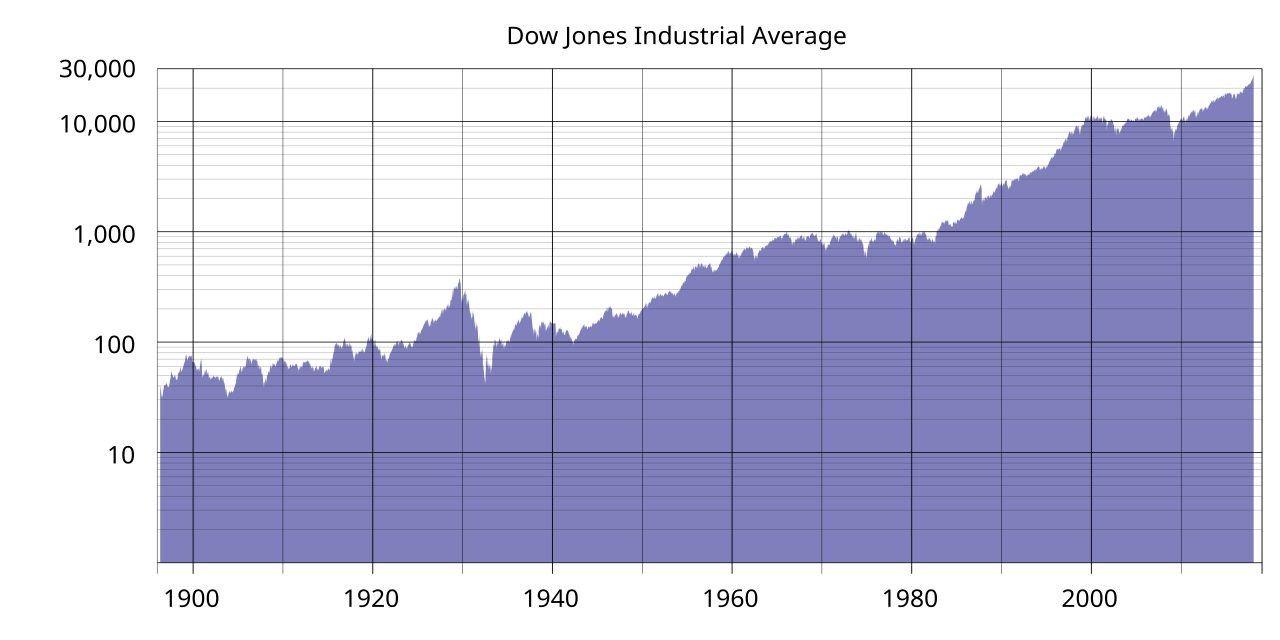
The Dow Jones Industrial Average (DJIA) stands as one of the most recognized and frequently referenced barometers of the U.S. stock market and its underlying economy. For over a century, investors, analysts, and the general public have tracked its movements to gauge market health and investor sentiment. But what truly fuels the daily fluctuations and long-term trends of this iconic index? Understanding the complex interplay of economic forces, corporate performance, and global events is crucial for anyone keen on deciphering the dynamics of the Dow Jones Stock Markets.
Understanding the Dow Jones Industrial Average (DJIA): More Than Just a Number
Often simply called "the Dow," the DJIA is a stock market index tracking the performance of 30 large, publicly traded U.S. companies. Established in 1896 by Charles Dow and Edward Jones, it was designed to represent the industrial strength of the American economy. Today, its components are diverse, spanning sectors from technology and finance to healthcare and consumer goods, making it a proxy for broader economic health. These aren't just any companies; they are typically blue-chip stocks, leaders in their respective industries with established track records.
The Dow's significance as an economic indicator cannot be overstated. When financial news reports on "how the market did today," they are often referring to the DJIA's performance. A rising Dow generally signals economic optimism and robust business performance, while a significant decline can trigger concerns about economic stability or investor confidence. This makes it an essential tool for investors in planning diversified portfolios and understanding the broader market landscape. For a deeper dive into its origins and fundamental importance, you can refer to our article on Dow Jones Explained: What Is the DJIA & Why It Matters.
One unique aspect of the Dow is its calculation method: it is price-weighted, rather than market-cap weighted like many other indices. This means that stocks with higher share prices exert a greater influence on the index's movement, irrespective of their total market capitalization. For instance, a $10 increase in a $300 stock will have a larger impact on the Dow than a $10 increase in a $100 stock, even if the latter company is much larger overall. The index is calculated by summing the prices of all 30 component stocks and dividing by the "Dow Divisor," a figure adjusted for stock splits, dividends, and other corporate actions to maintain continuity.
The Pillars of Performance: Key Factors Influencing the Dow's Trajectory
The daily and long-term movements of the Dow Jones Stock Markets are influenced by a multitude of interconnected factors. Understanding these drivers is key to comprehending market behavior:
- Economic Data and Indicators: Fundamental economic reports provide a direct snapshot of the nation's health.
- Gross Domestic Product (GDP): Robust GDP growth often translates to higher corporate profits and increased consumer spending, typically boosting investor confidence and the Dow.
- Unemployment Rates: Low unemployment indicates a strong job market, leading to higher consumer purchasing power and a positive outlook for businesses.
- Inflation: While moderate inflation can signal economic growth, runaway inflation can erode purchasing power and corporate margins, potentially leading to interest rate hikes and market instability.
- Consumer Spending and Sentiment: As a significant driver of the U.S. economy, consumer confidence and spending reports directly impact retail, manufacturing, and service sectors, all represented in the Dow.
- Federal Reserve Policy: The U.S. central bank, the Federal Reserve, wields immense influence over financial markets through its monetary policy.
- Interest Rate Changes: Adjustments to the federal funds rate directly impact borrowing costs for businesses and consumers. Lower rates can stimulate economic activity and make stocks more attractive relative to bonds, often fueling market rallies. Conversely, higher rates can slow growth and make investors shy away from equities.
- Quantitative Easing (QE) / Tightening: The Fed's actions to buy or sell government bonds affect the money supply and liquidity in the financial system. QE injects money, typically supporting asset prices, while quantitative tightening removes it, which can be a headwind for the market.
- Monetary Policy Signals: Even forward guidance or hints about future policy moves from the Fed can cause significant reactions in the Dow Jones Stock Markets, as investors try to front-run potential changes.
- Corporate Earnings and Guidance: At the heart of stock performance are the financial results of individual companies.
- Quarterly Earnings Reports: The performance of the 30 Dow components is paramount. Strong earnings that beat analyst expectations, coupled with optimistic future guidance, can send a company's stock soaring and lift the entire index. Conversely, missed earnings or a pessimistic outlook can lead to sharp declines.
- Sectoral Performance: Since the Dow represents diverse sectors, the overall health and outlook for key industries (e.g., technology, finance, energy) significantly impact the index. Breakthroughs in one sector can create ripple effects across others.
- Geopolitical Events and Global Crises: The world is interconnected, and events far beyond U.S. borders can send shockwaves through the Dow.
- Trade Tensions and Wars: Disputes between major economies can disrupt supply chains, increase costs, and reduce demand, hurting multinational corporations within the Dow.
- Political Stability and Elections: Domestic and international political uncertainty can make investors cautious, leading to market volatility.
- Global Economic Crises: Recessions, financial crises, or widespread health emergencies (like pandemics) can severely impact consumer confidence, corporate profits, and investor risk appetite globally, with direct repercussions for the Dow.
Beyond the Headlines: Specific Catalysts and Market Dynamics
While broad economic and policy factors lay the groundwork, specific catalysts and evolving market dynamics also play a crucial role in shaping the Dow Jones Stock Markets. Recent history offers excellent examples of how individual components can move the needle.
Consider instances where a major Dow component announces a groundbreaking product, a strategic acquisition, or an innovative service. For example, a surge in a stock like Apple Inc. (AAPL) due to robust iPhone sales or the excitement around a new product launch can significantly buoy the index, given its weight. Similarly, a major financial institution like Goldman Sachs (GS) reporting record profits or facing regulatory headwinds can have a noticeable impact. The collective sentiment around these blue-chip companies directly translates into the Dow's performance.
We've also seen how specific corporate strategies can lead to substantial shifts. The reference context highlights how Disney (DIS), a key Dow component, experienced a significant rally following the successful debut of its Disney+ streaming service. This wasn't just a win for Disney; it showcased how innovation and competitive market entry can re-rate a company and, by extension, contribute positively to the Dow's overall performance. Such events often involve a reassessment of a company's future revenue streams and market position, which can lead to substantial gains, as explored further in our article: Dow Jones: Key Stocks Driving Recent Market Rallies & Trends.
Moreover, broader market sentiment and investor psychology can amplify or mute the effects of fundamental factors. News cycles, social media trends, and even algorithmic trading can contribute to short-term momentum shifts, creating rallies or corrections that appear disproportionate to immediate economic news. Understanding that the market is not always rational in the short term, but tends to reflect fundamentals over the long haul, is a key insight for investors.
Navigating the Dow: Insights for Investors
For investors, grasping what moves the Dow Jones Stock Markets offers valuable perspective, but it's important to use this knowledge wisely:
- Diversify Beyond the Dow: While tracking the DJIA is useful, its limited number of stocks (30) and price-weighted methodology mean it doesn't represent the entire U.S. equity market. Savvy investors understand the importance of diversification, often including broader indices like the S&P 500 or Nasdaq, and considering small-cap or international equities to truly spread risk.
- Look Beyond the Index Value: Don't just focus on whether the Dow is up or down. Dig deeper into why it moved. Was it a specific economic report, a Federal Reserve announcement, or the strong earnings of a few key components? Understanding the drivers provides actionable intelligence.
- Blue-Chip Stability vs. Growth Potential: The Dow's components are generally established, stable companies. While they offer a degree of reliability, investors looking for aggressive growth might also need to explore other market segments. However, for a core portfolio of robust, dividend-paying companies, Dow components are often a go-to.
- Long-Term Perspective: The Dow is an excellent long-term barometer of economic health and corporate innovation. While daily fluctuations can be dramatic, focusing on multi-year trends offers a more accurate picture of investment performance and economic direction. Avoid making impulsive decisions based on short-term volatility.
- Stay Informed: Continuous learning about economic indicators, central bank policies, and global events is paramount. Financial news, reputable analysis, and direct company reports are invaluable resources for staying ahead of potential shifts in the Dow Jones Stock Markets.
In conclusion, the Dow Jones Industrial Average is far more than just a number flashing across financial screens. It's a dynamic index, intricately linked to the pulsating heart of the U.S. economy. Its movements are a complex symphony orchestrated by powerful forces ranging from macroeconomic data and central bank directives to corporate triumphs, technological innovations, and even global political tremors. For investors and market watchers alike, understanding these diverse drivers is the first step towards making informed decisions and truly appreciating the profound significance of the Dow Jones Stock Markets in the global financial landscape.